Caboolture, Moreton Bay
Abbey Museum & Art Gallery
Forty-eight panels of ancient glass in a working church, conserved over twelve years and cared for by the Abbey Museum next door.

A Remarkable Collection of Medieval Stained Glass
Visitors to the Abbey Church are often inspired by the beauty of our little church with its colourful medieval and Gothic Revival stained glass panels, historic carvings and statues. These artefacts were originally from the Abbey Folk Park in England which was founded by Rev J.S.M. Ward.
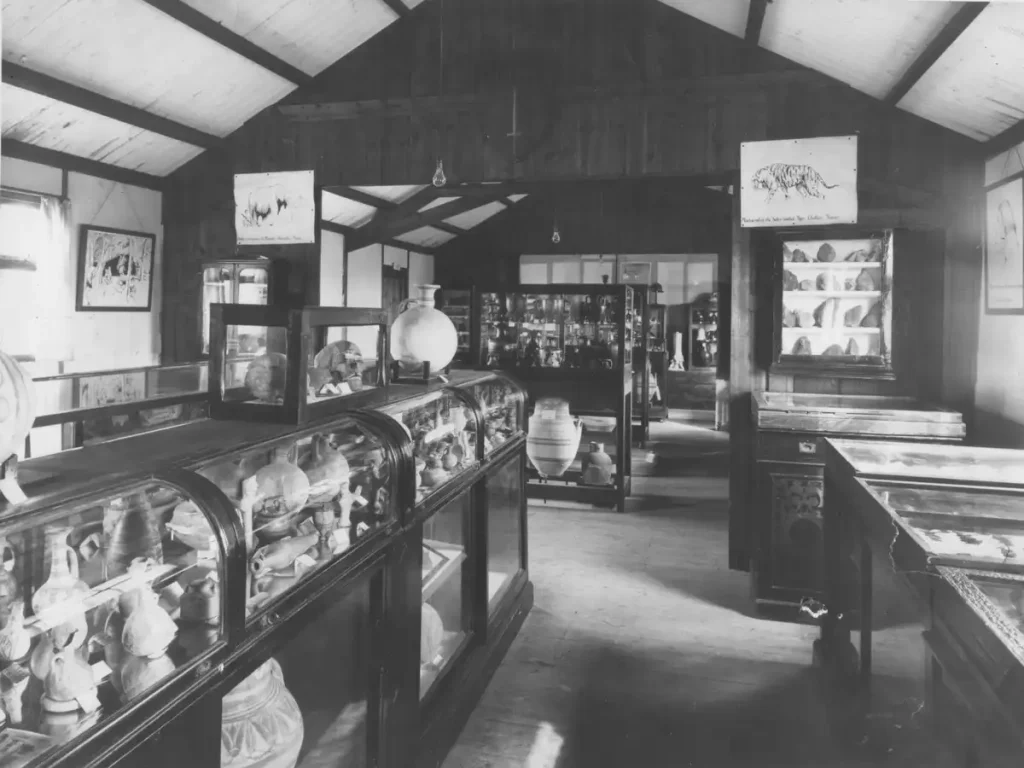
While the Abbey Church is an active working church, it contains many historical treasures from England and several European countries including France, Belgium and Germany. The Abbey Museum, adjacent to the Abbey Church, is responsible for the care and maintenance of the historical artworks and objects in the church. The Museum’s Senior Curator, Michael Strong, annually undertakes an assessment of artefacts in the church to identify any conservation or preservation needs.

The Conservation Story
It was in 2008 that Michael Strong recognised the necessity to undertake a Conservation Needs Assessment of the stained glass panels in the Abbey Church. This review highlighted an urgent need for conservation of a number of panels where buckling, cracking and paint loss were found. The report noted that most of the 48 panels of ancient glass needed some attention.
For twelve years, from 2008 to 2020, the Museum actively raised funds through grants, donations and fundraising activities to cover the cost of this major conservation program which would ensure preservation of the stained glass panel for future generations. This was a huge effort, coordinated by Edith Cuffe, but through the generosity of many individuals donors, funds were successfully raised for specific windows. Each panel was removed from the church and taken to the studio of expert stained glass artist and conservators, Gerry Cummins and Jill Stehn. Depending on the size of the panel and the work required this process could take from several months to a year to complete. The most complex windows were two large panels featuring angels, precious fragments predominantly from the Lady Chapel in Winchester Cathedral and made between 1490-1510.
There was great celebration when the final conserved panel was returned and reinstalled into the Abbey Church. As an added protective measure, toughened clear glass was installed on the outside of each panel and our beautiful windows that add so much to the ambience of our church should not require further work for many years to come.
In 2021, with the support of the Gordon Darling Foundation, the Abbey Museum published a definitive catalogue entitled Glorious Glass: Stained Glass in the Abbey Museum Collection, written by the Museum’s Senior Curator, Michael Strong, with assistance from numerous glass authorities around the world. This not only records all the stained glass in the Church and Museum, but also provides a social context that helps us understand these remarkable windows and their importance on a global scale.

The Art Gallery
When first built, the Abbey Church displayed a series of Renaissance religious paintings and Eastern Orthodox icons. Unfortunately, the temperature and humidity fluctuation in the church was not conducive to the long-term preservation of these important artworks and they were removed for safekeeping. Many underwent urgent conservation and it was with great excitement that on 1st February 2025, the Abbey Museum opened an Art Gallery with its inaugural exhibition Inspired Images: the Arts of Faith, featuring paintings originally hung in the Abbey Church.
While the Abbey Church is an active working church, it contains many historical treasures from England and several European countries including France, Belgium and Germany. The Abbey Museum, adjacent to the Abbey Church, is responsible for the care and maintenance of the historical artworks and objects in the church. The Museum’s Senior Curator, Michael Strong, annually undertakes an assessment of artefacts in the church to identify any conservation or preservation needs.

Tuesdays and Thursdays, 11am
Guided Tours & The Abbey Medieval Festival
The Abbey Museum hosts an annual calendar of historically themed activities and events such as its award-winning Abbey Medieval Festival. Visitors to the festival are encouraged to attend a tour exploring the history of the stained glass in the church presented by a Museum staff member. The Abbey Church is also the venue for Gregorian chanting recital and workshops, a very popular part of the medieval experience.
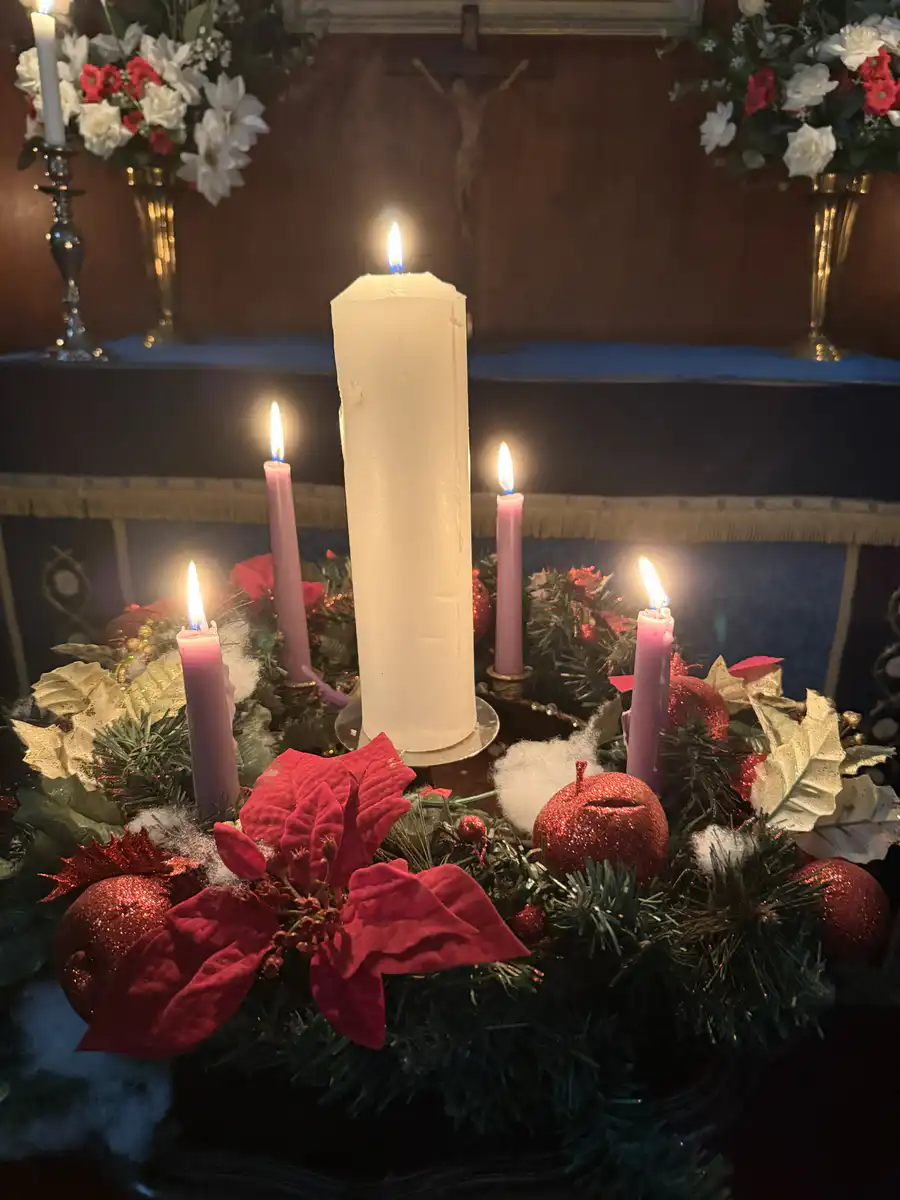
On the last Saturday of November each year the Abbey Museum Friends host a Christmas and Advent Gregorian Chanting recital in the Abbey Church. Held in a darkened church with only the soft glow of candlelight, the strains of the ancient Gregorian chant sooth the soul and transport attendees back in time. For many, this experience brings a spiritual focus to the beginning of Advent and the busy Christmas period.
Heritage Church Tours in Moreton Bay
The Abbey Museum also offers guided tours of the stained glass in the Abbey Church on Tuesdays and Thursdays 11.00 am, or for groups by appointment.
Come and see the glass in person
The Abbey Museum runs guided tours of the stained glass on Tuesdays and Thursdays at 11am, or for groups by appointment. Ask us anything before you come.
For more information or making a booking visit the Abbey Museum website.
You can also call us on 1300 172 333
or email enquiries@abbeychurch.com.au.